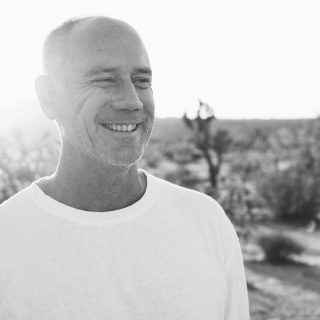
An Interview with MUD co-founder Sam Payne
A different approach to food with Manchester Urban Diggers
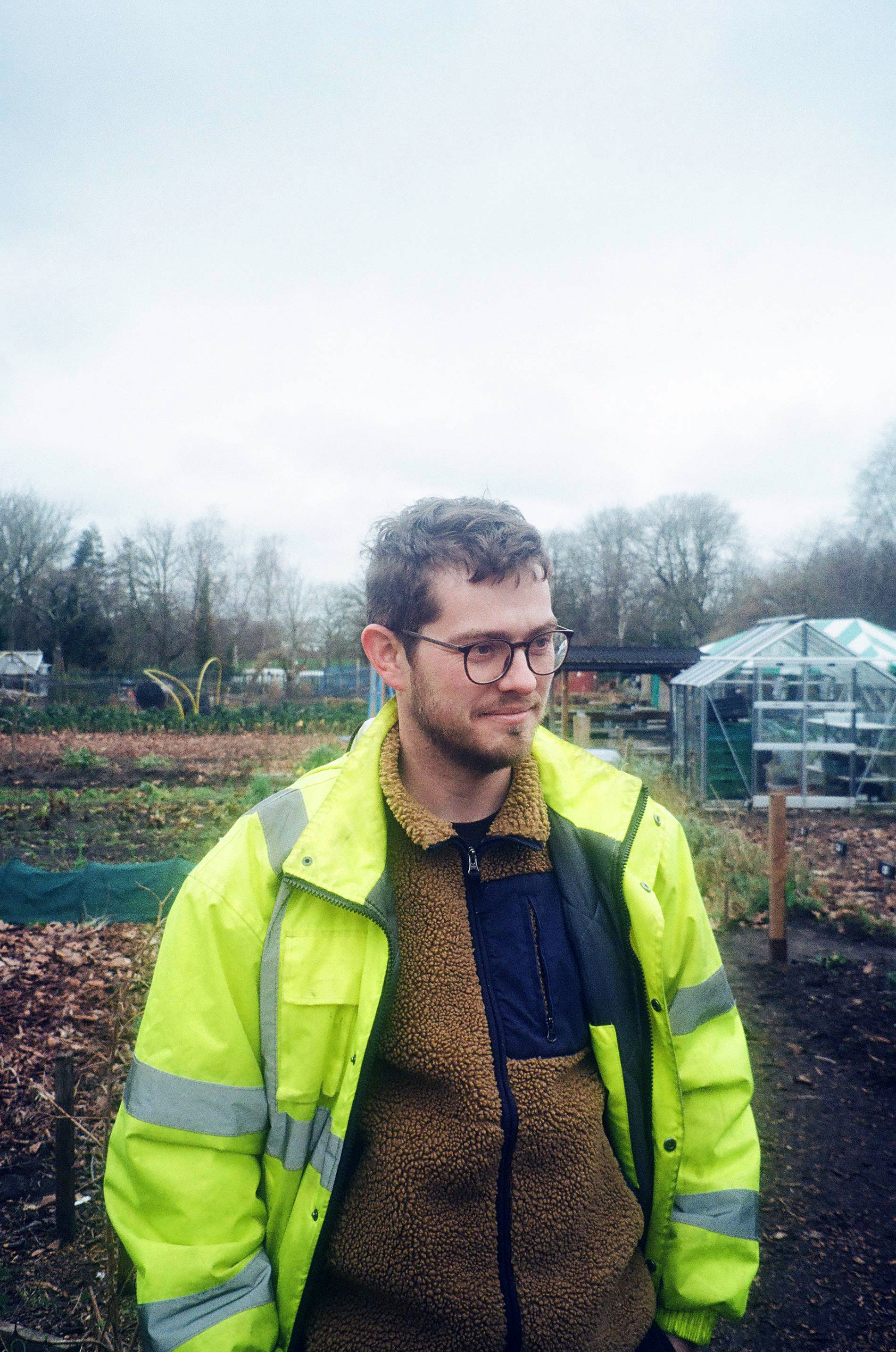
It’s sort of hard to sum up MUD—or Manchester Urban Diggers to give them their full title—in just a few sentences. What started as a vegetable patch on a disused bowling green in Manchester’s Platt Fields Park has blossomed into something far bigger. They grow food, they run events, they’ve got a catering company, they run growing projects all over Manchester, they help everyone from schools to restaurants set up their own gardens and they make a great cup of tea.
Combining the radical ideas of the Diggers of the 17th century with an open-source, community-focussed mindset, they’re the perfect live-action case-study of how the food industry can be done differently. Which is why one Friday morning in early February we sat in a shed with co-founder Sam Payne as he told us about the early days of MUD, the many benefits of growing vegetables and the importance of good soil…
I remember this place was a bowling green, then at one point they trained police dogs here, and then it was just a wasteland—and now it’s this garden and cafe with all this stuff going on. How did it start? How did you get here?
I’d gone away to New Zealand for a little bit—and it’s obviously a cliche—but I was living and working on this little farm and I was like, “I really like this lifestyle.”
You found yourself?
I found myself. At university I’d done systems engineering, and then I went onto work for British Aerospace—which is basically a defence firm—the complete opposite of what I do now. I didn’t like being in an office—I liked gardening like I’d done in New Zealand, so when I came back that’s what I wanted to do.
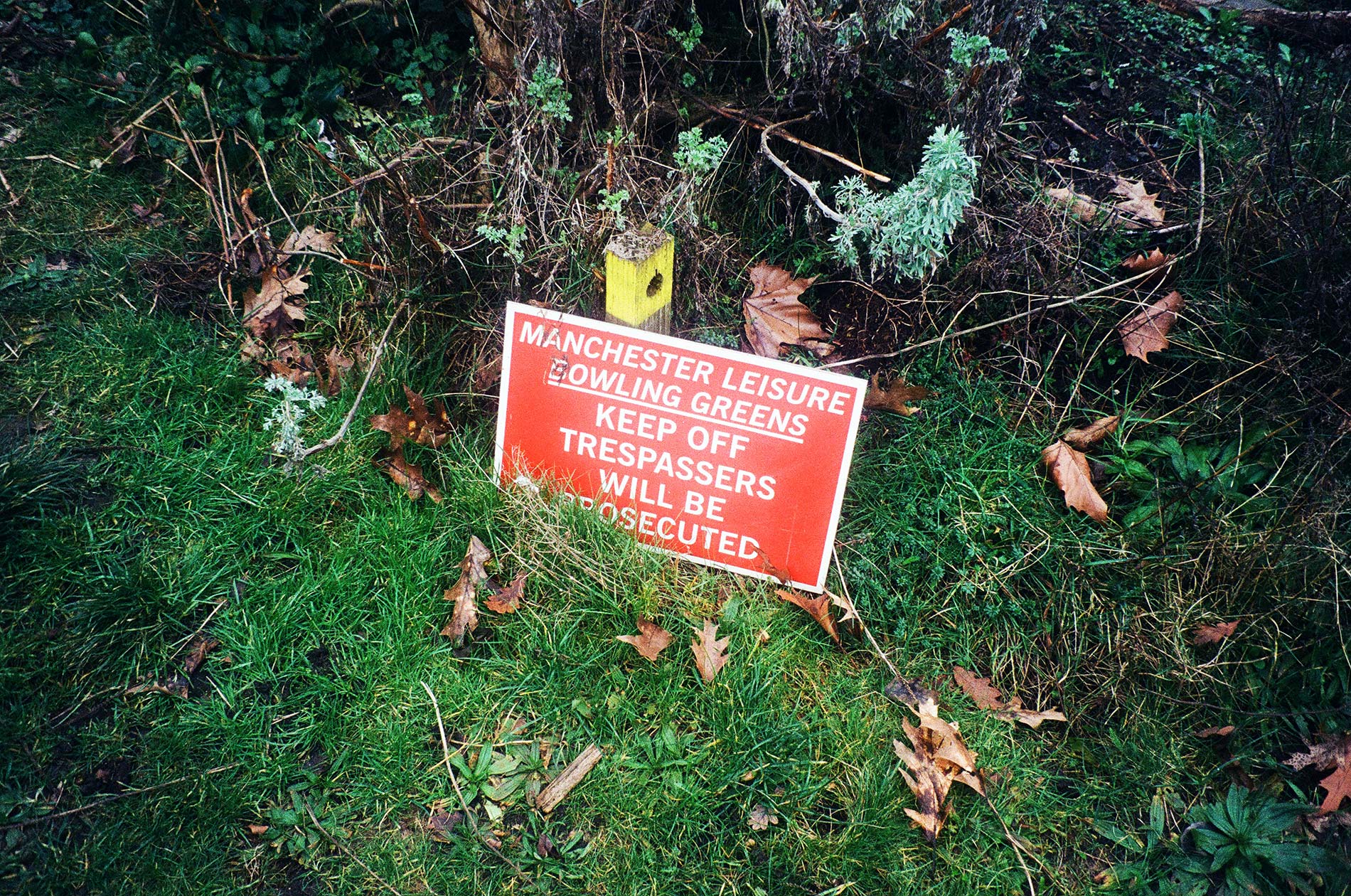
Obviously being in a city, there was no access to land, but me and my sister Jo saw this training course with the Kindling Trust called FarmStart. So me, Jo and my partner Ashley went on this year-long course, and then at the end someone who’d previously been on the course messaged us, saying they had this piece of land in Platt Fields Park, and asking if we wanted to look after it. He was moving to Preston—so he just gave us the keys and we came here. That was in January 2017.
Subscribe to our newsletter
What was it like here back then?
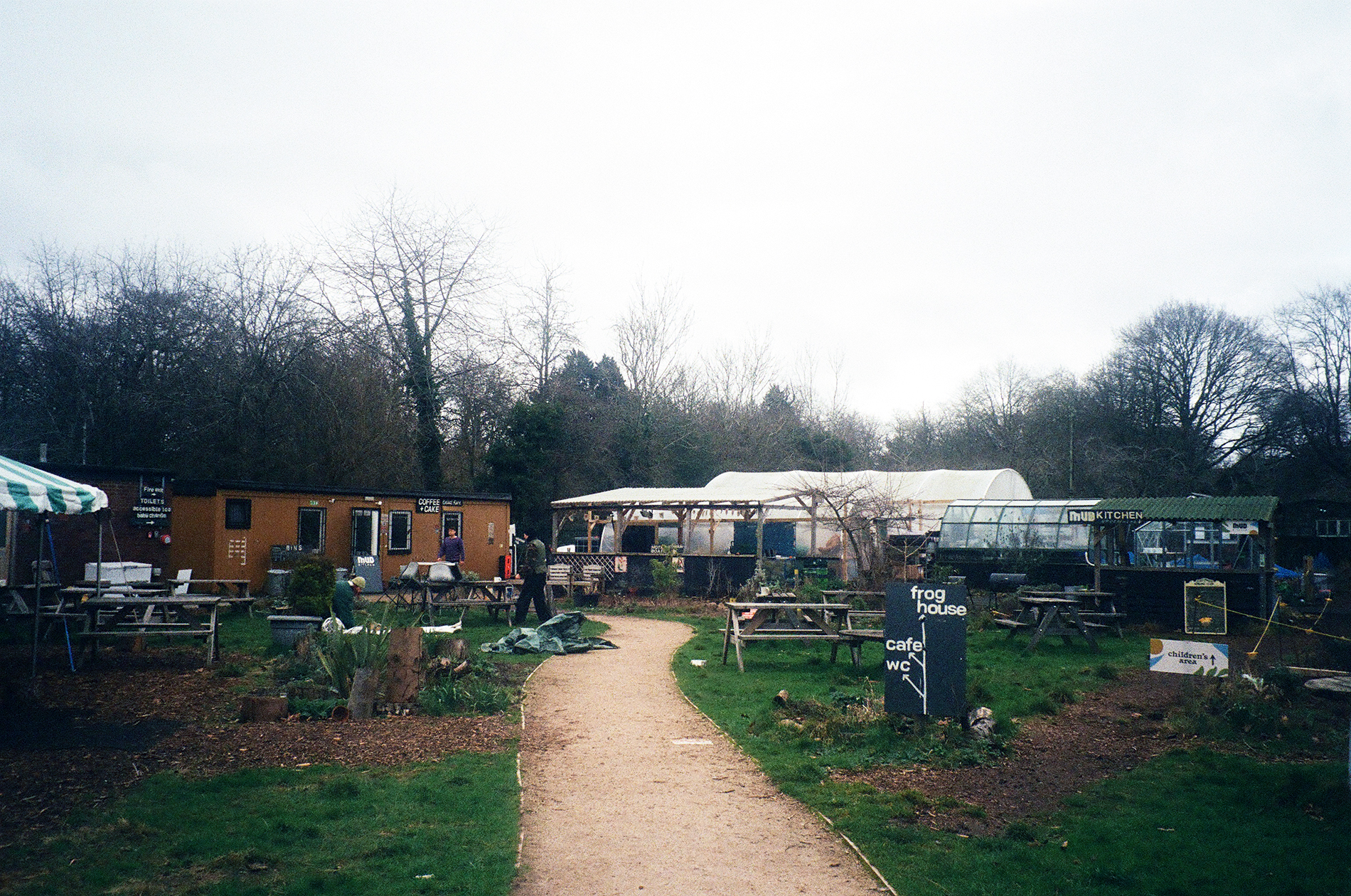
At that point it was two old bowling greens but it had been disused for something like ten years. One side was really overgrown, and like you said, the other side was being used for training security dogs, but luckily that contract got cancelled. We slowly turned the lands into market garden style beds and we had a little makeshift polytunnel in one corner. It was all about growing food which we’d sell for donations to put back into the projects.
We set up MUD CIC in 2019, and we all quit our jobs to try and make a go of it—and then in March 2020, the pandemic happened. That had a massive effect on things.
I was going to ask about that. How did that change things?
When the pandemic happened—we were just growing food non-stop. We had really small furlough payments, so we had to work seven days a week to feed ourselves and earn some money. We set up a stall at the side and people would come and buy their groceries—and at that time people were feeling unsafe going to supermarkets, but we were an outdoor venue, so everyone felt immediately safer.
People wanted to get out of the house, and the other good thing about here was that it was a walk out in the park too. We started selling coffee and cake too—and that was the birth of the ‘MUD Kitchen’, our catering service. Jo has been in hospitality for years and had her own street food project—so she was always dead interested in that side of things.
And from there it just snowballed as people approached us with other projects. That’s how the rooftop garden in Stockport came about—I think that was back in 2020. We designed and built the rooftop garden with Where the Light Gets In, and now that’s its own thing called The Landing CIC and is a really successful project. And there have been loads of things like that.
At this point our ideas are more about a wider food system. This place has had such good feedback and such a good response from local people that we’ve realised there should be something similar available all over cities.
This shouldn’t be an anomaly—this should be the norm.
Yeah—I live in Eccles, and there’s nothing like this there. And I don’t mean it needs to be replicated exactly the same—it should be a reflection of the local community and the local people. It needs to be financially sustainable. The hard part is going after grant funding. We’ve tried various models here of trying to bring in money—through commercial activities as well as charitable stuff.
That’s the boring stuff for most people—but that’s how these things can exist I suppose.
I think there is a way that you can make these things work. It’s really hard, and we’re still trying to get it right. A lot of the things look very good on the surface of what we do, because we try our hardest to make it look very good. Our website is very professional—and we spend a lot of time making sure our graphics and our branding and social media look good. And sometimes that might even be to our detriment to our funders, because they think, “Bloody hell, they’re smashing it.” Which is absolutely not the truth.
Is it a case of constantly being nimble? You’re doing so many different things here.
Yeah—there’s a lot of trial and error. When we started this I was 25—so there was no prior business experience. We’re fairly entrepreneurial, but we haven’t got that cutthroat business attitude that some people have. We’re constantly learning how to do certain things—trying to get better at it and trying to make it work. We threw ourselves in the deep end and learned a lot very quickly.
Going back to what we were saying—to make these things happen everywhere, there needs to be more access to food and land to grow food on. And there needs to be more training for people to grow food. And there needs to be more routes to market for people to buy good local food from. And there needs to be routes to market for people who are trained in growing to then go out into more rural areas and grow food properly.
“We’re supposed to have a third place. You should have your work life, your home life, and then a third place where you have time to yourself or you have time with your friends.”
There’s a whole raft of things that need to happen to make a better food system, but these little food hubs can be part of a catalyst to start that off. We want to try and expand this as a model—not for us doing it—but we want to show what’s possible. We want to go to councils and say, “We’ve done this, look at all the benefits, look at what has happened since and look at how quickly we could have created it if we had more support.”
One of the reasons we’re here is because in the pandemic we got a really small furlough payment. It wasn’t much, but it was like an incubator for a small business. It gave us a bit of money to rely on—and if we didn’t have that I don’t think this place would be here because we couldn’t have started and grown veg and made money straight away—it’s a seasonal thing. So those little bits of support can really help.
In the last few years there’s been a definite movement back towards growing food and ‘offline culture’. Why do you think that is?
I suppose there’s the awareness of what’s happening to our environment. That’s really in your face—so people want to be part of the solution, but the other reason people come here is to meet people.
In the city nowadays, the economics force us to work as much as possible and the work/life balance isn’t what it should be, but we’re supposed to have a third place. You should have your work life, your home life, and then a third place where you have time to yourself or you have time with your friends. And back in the day that might have been the pub, but that’s tailed off—probably because of the economics and the shift towards health. So people are looking for sober alternatives.
And it’s fulfilling too. You can put something into the ground and see it grow.
Yeah, totally. People come here for so many reasons. People like learning about something, and they want to get outside. Community gardening ticks a lot of boxes, especially when you’ve got access to a social life. Loads of people come here that aren’t from Manchester—maybe they’re new to the city and don’t know that many people—so here they can meet like-minded people.
Mental health is also a big part of it—being able to take time out of busy day-to-day life—and then it’s physical exercise, and it’s giving back. The NHS has the five ways to well-being, and community gardening ticks all those boxes really well.
I read an article you wrote about the Diggers and how they influenced MUD. Can you tell me a bit more about that?
Well, we were thinking of a name for the organisation. We’d been on Platt Fields for two years by that point, and we’d done a lot of work on the land and had started to feel like we’d reclaimed it for us and the public. We were going around in circles trying to name it, but then we learned about the Diggers.
The Diggers were a movement spearheaded by Gerard Winstanley in 1649. He and a wider group had tried to reclaim some land off the back of years of land enclosures. It went all the way back to the Normans when they invaded—suddenly land wasn’t publicly owned anymore—it was owned by the aristocracy and the king would divide it out to his barons.
There was this massive shift, because before that you might have been a farmer who had a bit of land and you’d grow a little for your lord, and then a bit for yourself—but then you had to pay the barons or lords for their land and pay taxes. The Diggers were a reaction to all that.
And now, hundreds of years later, there’s barely any common land in the UK. Even the parks are owned by the government. If you went somewhere to try and grow some food, you’d be questioned. And this is where the Right to Grow campaign comes in—it’s about having the right to grow food, rather than having to seek permission. Often the power dynamic comes from the council and the land owners. This is the Incredible Edible campaign, which is trying to shift things—and certain councils are adopting it.
It’s funny, because I’ve been to China—and there they grow on the tiniest slithers of land. You’ll be driving down the motorway, and on the slip road there’ll be a little triangle of land that’s full of rows of lettuce. They grow everywhere there, but it’s something we don’t do here. We’ve lost that connection or that need to grow.
There’s maybe a stigma too. We’re almost made to believe home-grown food is inferior to the stuff in the shops.
Yeah—it’s because we’ve lost that connection and nobody grows food anymore. We just get presented with this sterile supermarket food, but that’s actually much worse for you. The amount of chemicals they spray on some of these vegetables is insane.
I worked on a farm in New Zealand that grew potatoes, and some of the potatoes coming out of there were enormous. They were selling their potatoes to McCain’s, so they’d store them for a year, they’d get frozen and then they’d eventually get turned into chips. We were allowed to take them home for our tea, but I remember asking another farmer there if he was taking them, and he was like, “No, I’m not eating those potatoes—I know exactly what we spray on them.” The farmers who are growing the food weren’t even eating it!
And then also nutritionally the soil is so depleted when things are grown in these monocultures that there’s less nutrients in them. We had our soil tested by the University of Manchester—comparing our lettuces with supermarket lettuces—and ours scored much higher for trace elements where you get a lot of the nutrients that you need. We’re constantly adding to our soil to improve it.
I suppose maybe the argument for this super-industrial level of farming would be that that’s the scale that is needed for feeding a country. How can something like market-gardens work at scale? Is it a case of localising?
It has to be localised. Obviously we can’t just get rid of large farms—but there needs to be a mosaic of different types of farms. There needs to be lots of different solutions—but these little micro-farms and small market gardens need to be everywhere, because they’re much more adaptable to be able to change very quickly. We can change and adapt easily to what crops work and don’t work.
A mosaic of different answers is what needs to happen, because say for example if a new pest comes along, we don’t want it to wipe everything out. Like with bananas, I’m pretty sure they’re all from the same species—so if a disease were to come along and kill off all the banana trees, that’d be the end of bananas!
So yeah, there’s lots of solutions that need to happen side by side, but the one we’re championing from our point of view are these urban community gardens—not just because we’re growing food, but because of the community benefits and the health benefits and the indirect benefits of educating people and the behaviour change of being connected to food.
You come here and you learn about food—then you might be inspired to go and start your own market garden—and that’s happened a few times. And if we had this type of thing all across Manchester, how much would that scale up?
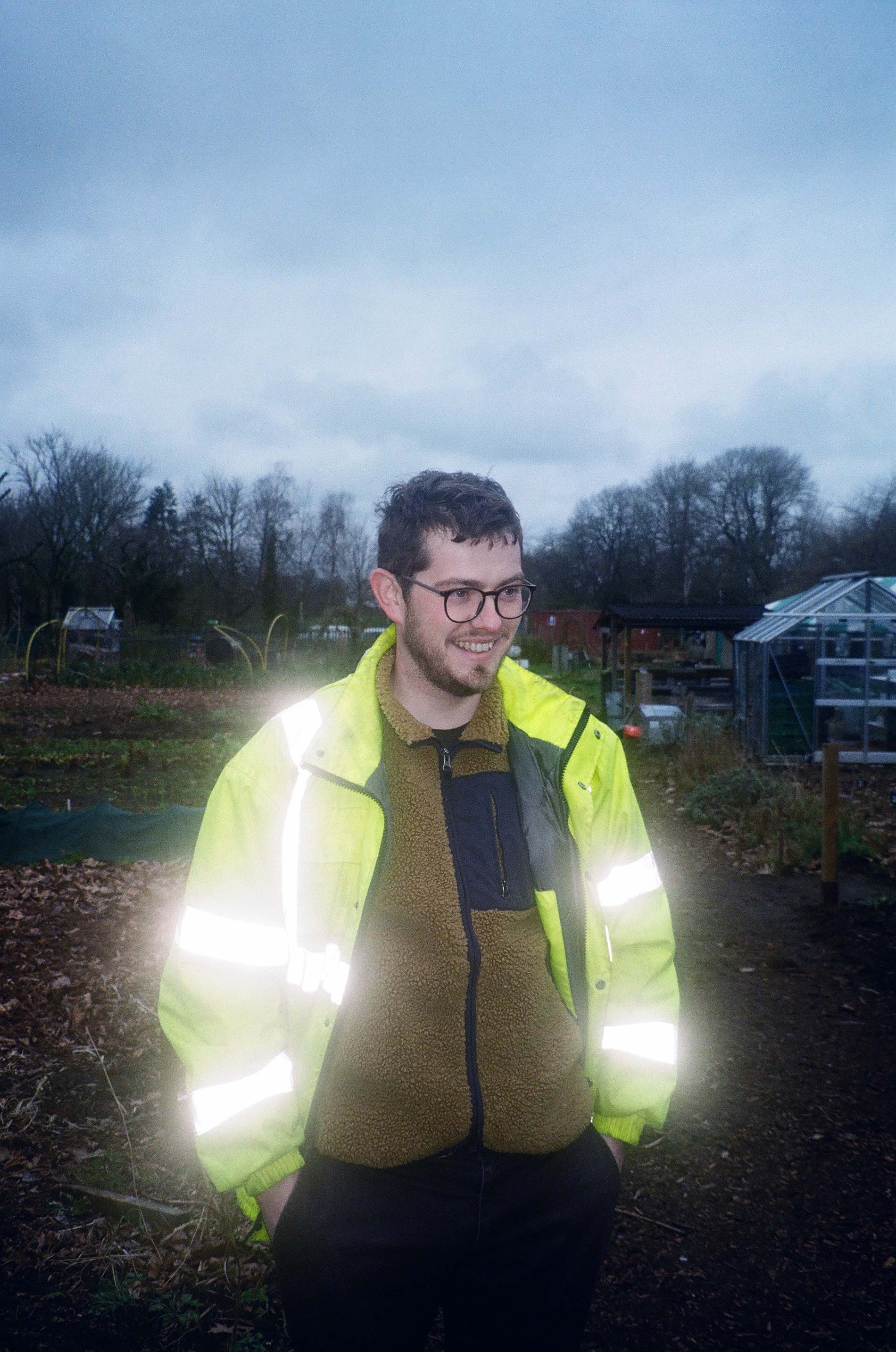
You’re very open too. You invite people in and show what’s going on. Is that how things can spread?
That’s the idea. That’s how we can expand our impact.
Definitely. One last question—what’s one tip for growing vegetables that can make a difference? Where am I going wrong?
It really comes down to the soil. If you think of a plant, where is it drawing its nutrients from? It’s photosynthesising from the sun and turning that energy into sugars, and it’s getting nutrients from the soil so it can fruit or grow—so get good soil. GET GOOD SOIL.
Interview and photos by Sam Waller.