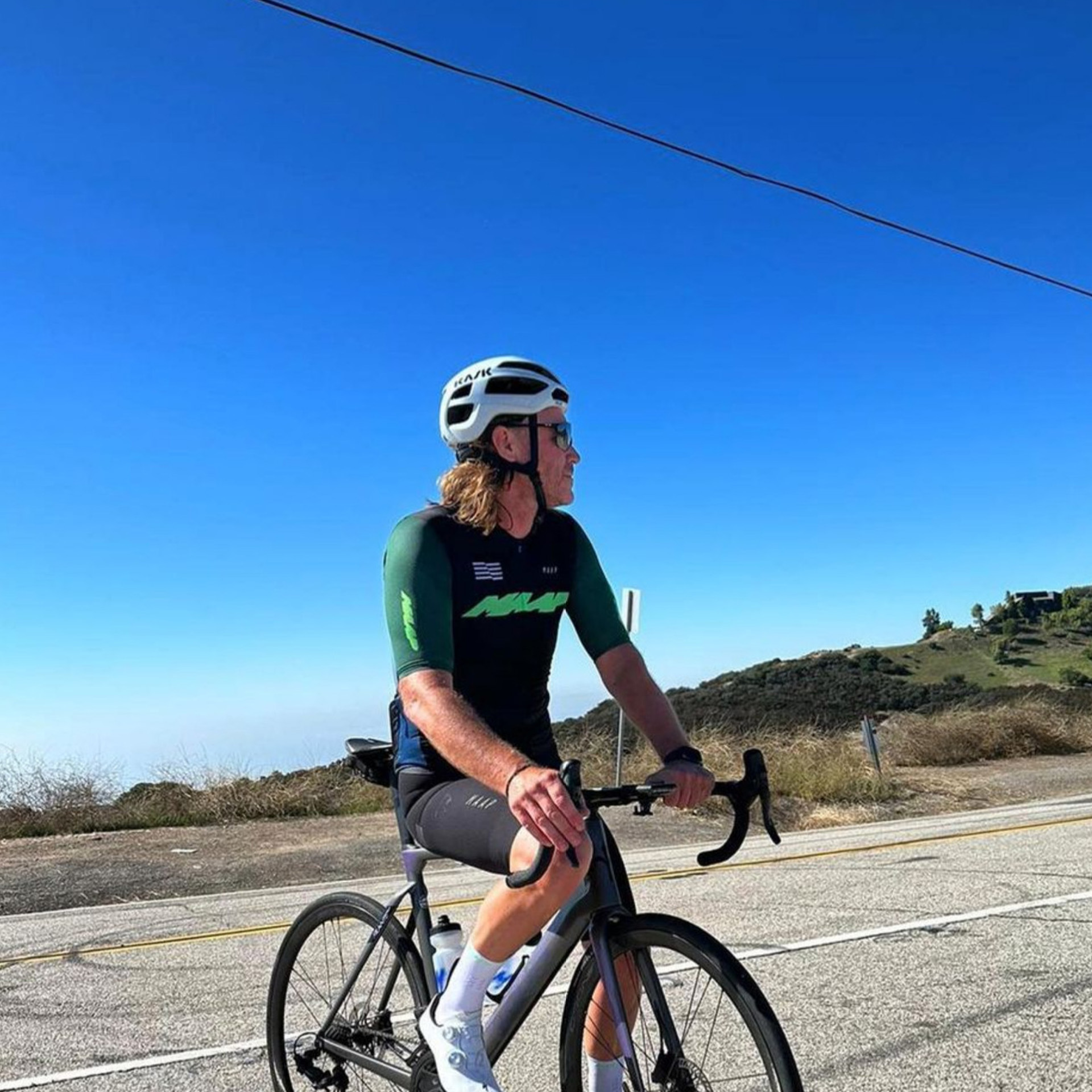
An Interview with United Shapes Co-Founder Gray Thompson
An in-depth chin-wag with Gray Thompson
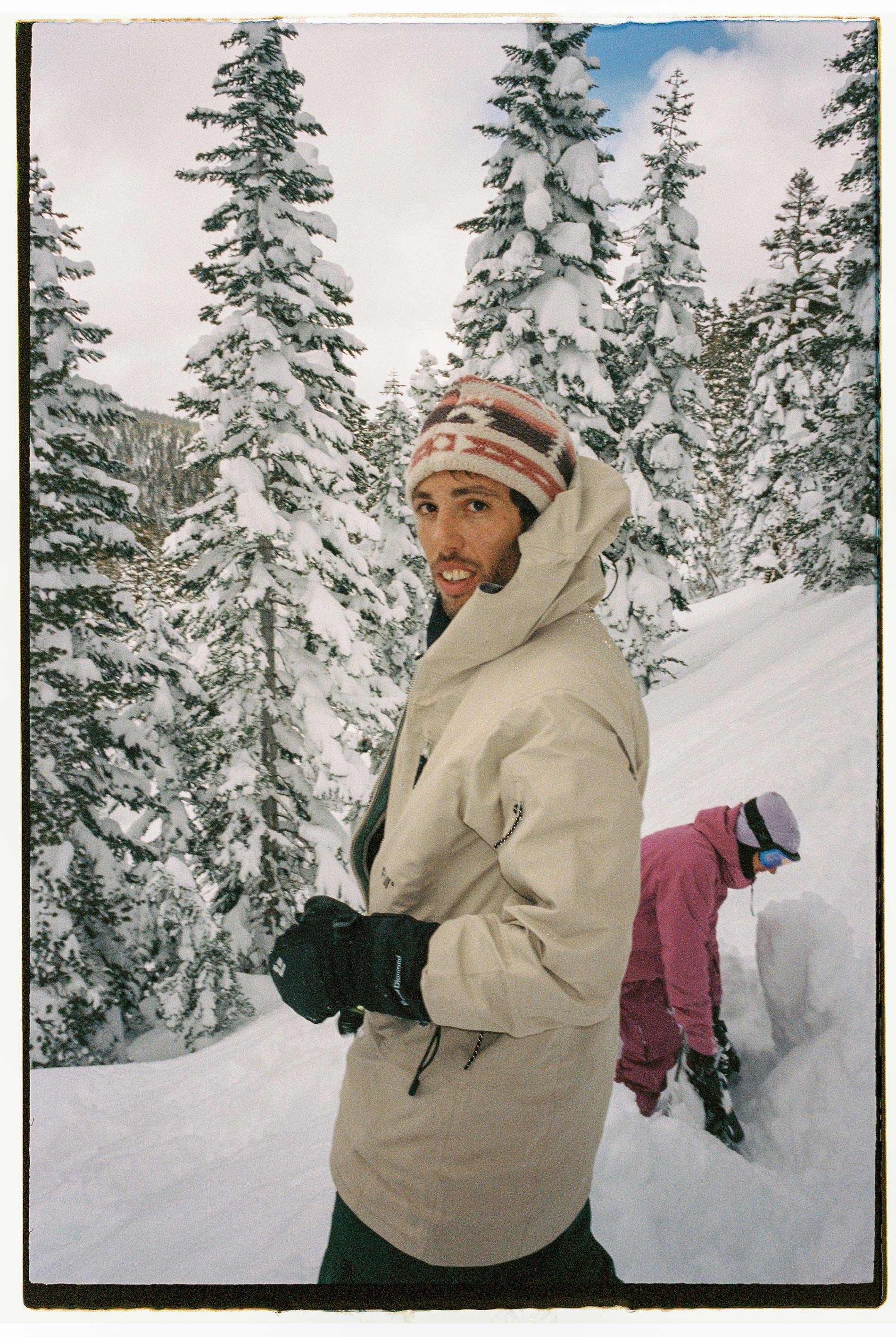
The best way to describe United Shapes and the snowboards they make is probably ‘pure’. Since 2014 the American brand has followed a gimmick-free approach that focuses more on good design and clear purpose than big logos and brash banners—gaining a cult following in the process.
Talk to co-founder Gray Thompson, and it’s clear where this unique angle comes from. A true deep thinker, the snowboarder turned film-maker turned brand-founder has a philosophical attitude to life in the snow that extends far beyond just resort passes and ‘pow days’.
In this interview, we got deep on such subjects as community, going against the grain and the beauty of exploration in the mountains. Whether you snowboard or not, the stuff Gray spoke about here applies to far more than just sliding around on the snow…
You were a snowboarder, then you made snowboarding films, and then you started a snowboard brand. What made you want to make your own snowboards?
It’s been quite a journey, but boiling it all down, it just kind of proves that I’m obsessed with snowboarding. From an early age, it was just clear to me that this is what I want to spend my time doing. Snowboarding has been the platform or the arena, so to speak, and over the years it has introduced me to so many things—like filmmaking and photography.
I grew up in the city of San Francisco, in the 90s skateboard scene, and that culture and those ideals kind of set hold within me. And then here comes snowboarding with a similar culture. At the end of the day, the big takeaway was this idea that the people own the culture, and it’s all on us to develop it, to create everything within it.
So through snowboarding, getting me into photography, and then filmmaking, it’s all carried that same tune of how we create our own reality. And when it came to the snowboard company, it was just another extension of that. Not only do all us snowboarders create the films and the identity of this culture that we are in, but a huge part of that is brands. They’re overarching—they encompass so much—identity, people, films, photography, art. It’s just like the umbrella that catches everything. And to be able to create one consistent identity that has X, Y, Z values—that is so powerful.
They’re kind of the framework for a lot of the culture.
And brands hold so much power, they mean so much to us, and we get behind certain brands because of certain reasons. And they really help shape our own identities as people, and what we want to follow, what we’re interested in and what we think is relevant.
So together with my early partners, we just felt there was a huge missing hole in snowboarding when it came to brands. We felt at that point in snowboarding, every brand was watered down and had been through so many reinterpretations so many times that they had just lost track of what their core fundamentals and ideals were. That was the main impetus behind starting United Shapes.
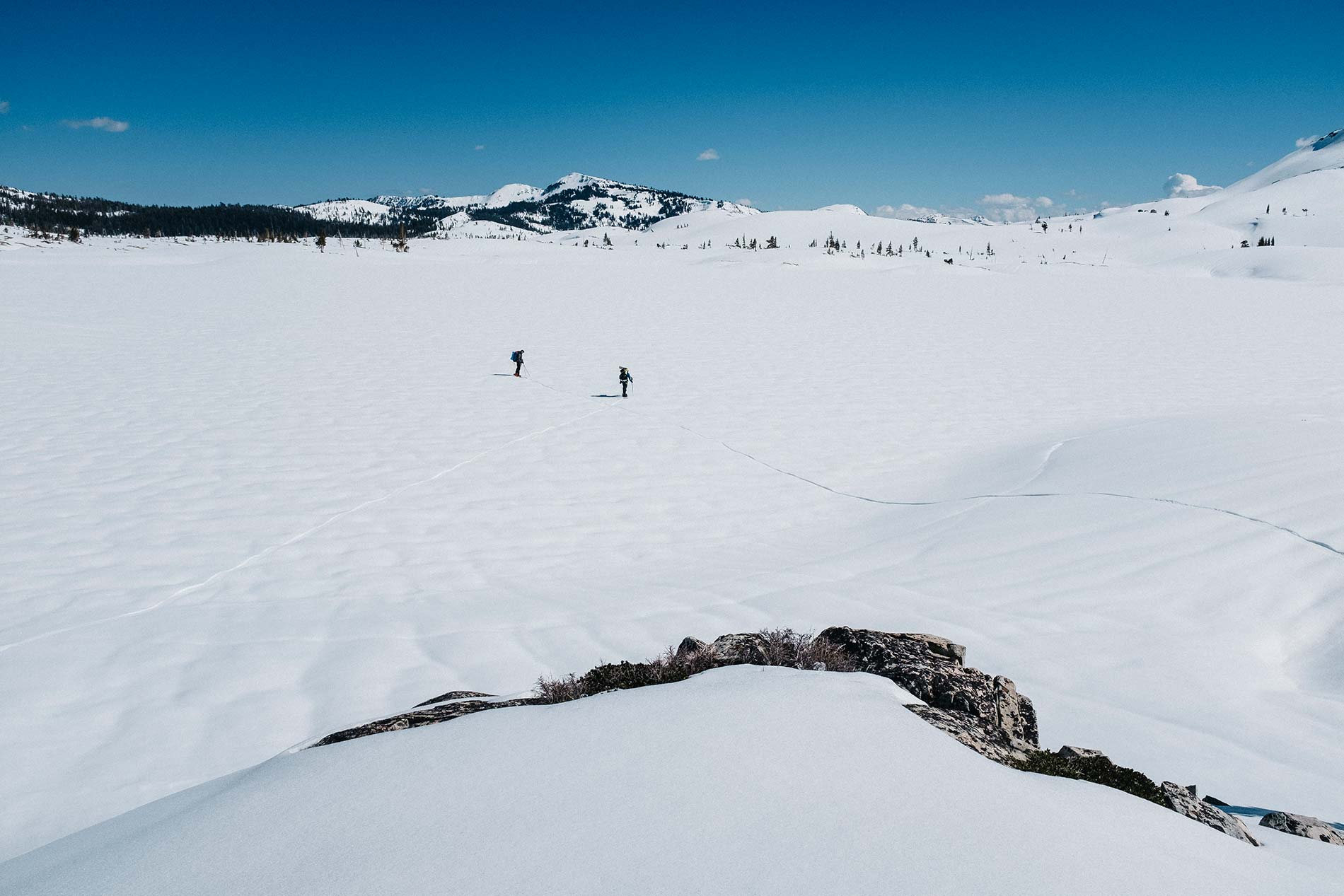
It’s easy to whinge about stuff—like “Why are these brands so useless,” but in these niche cultures, it’s kind of on you, isn’t it? It’s our responsibility to make what we want to see. We can’t just be armchair commentators.
That’s it—it’s on you, it’s on the people. But everyone gets comfortable just sitting back and bitching about the way things are.
Which is enjoyable—I’m not going to say that’s not fun sometimes!
Yeah—we all do it—but I think the difference is understanding that it’s in your hands. It’s not easy, but if you can find self-motivation, and learn how to take your inspiration and act on it, then that’s it—and it’s a great metaphor for life too. People get hung up on what they can’t do, and then they’re scared of taking risks and trying things, but it’s better to just get your hands dirty, jump in and try to figure it out yourself.
I think the culture of snowboarding has always been built on that, and right now it’s more important than ever to remember that.
Subscribe to our newsletter
What’s the reality of starting a snowboard company? With skateboarding I suppose it’s maybe mostly about branding—there’s a universal shape and they’re all made in the same three or four factories, but with snowboarding, things like shape and material seem much more specific. I imagine that’s a tough thing to throw yourself into.
Even still, the number one important thing is identity and branding, you know? I really think if you nail that, and your story is tight and credible and you have a purpose, I think your product can be anything or can go anywhere. But with snowboarding, that is another huge complexity.
It’s not a simple product to manufacture—there’s a huge logistical element and you need a lot of resources. So when we started it, my partners already had a clothing brand, so they were familiar with manufacturing in the industry, and I’d been working with hardgoods brands for years, so I kind of understood what went into it. But at the same time, we did just jump in.
Our first factory was down the hill here in Reno. We made 50 boards and they weren’t great! We learned so much—and then one thing after another we tapped into a new factory over in Asia and they really helped us develop our product.
We knew the product story we wanted to tell but we definitely leaned into other people on how to get there. There was a lot of trial and error, but at the same time, I think because we were so solid and committed to the story we were telling and the identity of the brand that it was pretty easy to go from concept to execution and getting to the products we wanted to put out.
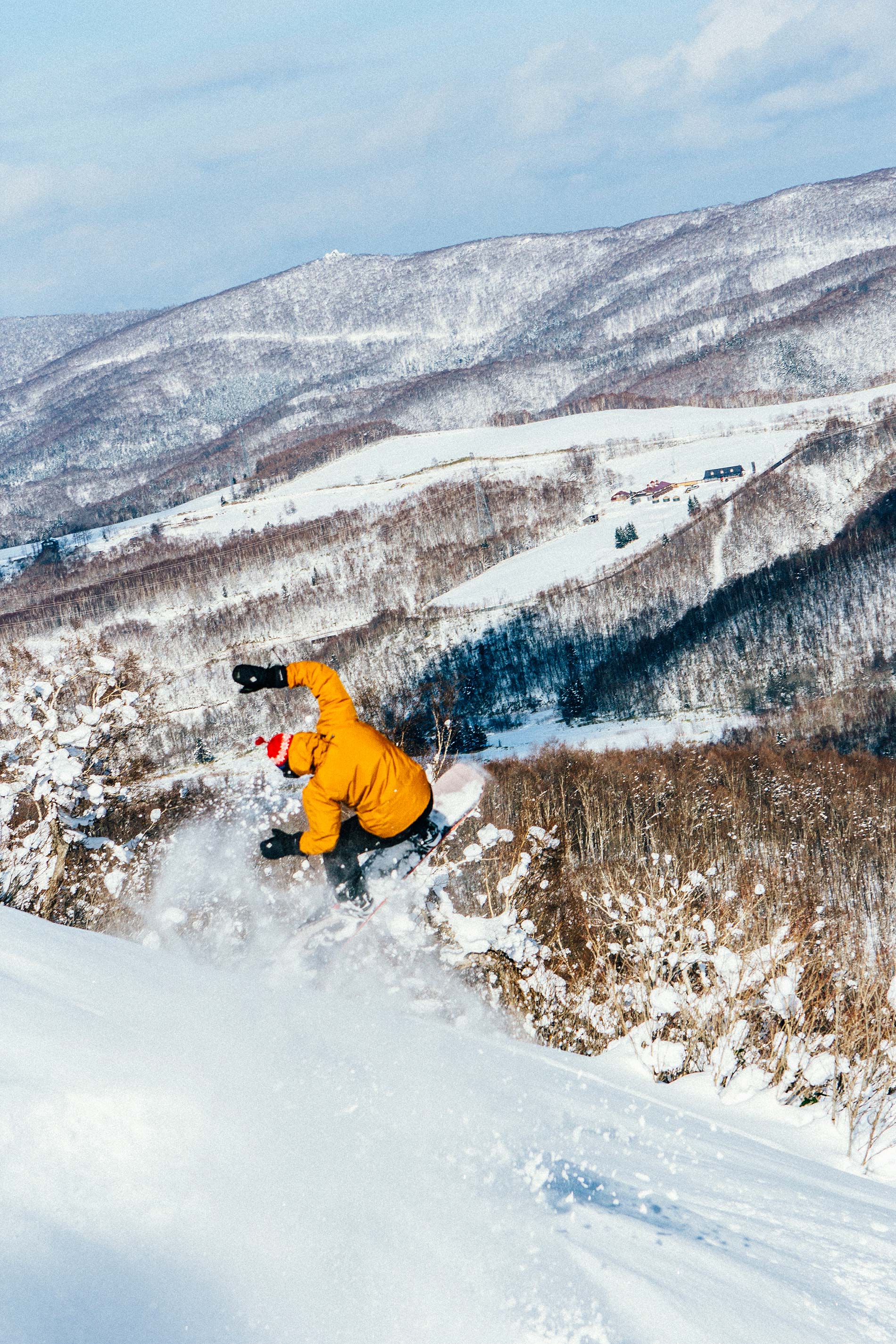
What was that initial purpose back then? It seemed like there was a real emphasis on freeriding and exploration—going beyond the resort.
Snowboarding always gets compared to skateboarding or surfing—it falls into that boardsport category really easily—but to me, it’s always been so different. It’s this tool to ride down mountains. It’s so unique in its own world.
I’ve always just had this deep philosophy that in the winter, these mountains that are full of natural terrain, the snowboard is a tool to interact with that. And so that culminates in freeriding—and that was really born in the early days of snowboarding, because it was just natural, like, “Look at that mountain, let’s go hike up it and ride down it on this board.”
That is pure snowboarding to me—and that led to the creation of this brand that really embodies this idea of snowboarding in the mountains. I love all aspects of snowboarding, but to me, urban riding is skateboarding or BMX’s world. This isn’t to throw shade on all the amazing people pushing street snowboarding, but just for me and my philosophy, the mountains are the canvas. And there wasn’t a brand that focused on that at the time—few were really building an identity around that.
Is that because it’s not quite as obviously marketable? It’s not like some big resort half pipe with an energy drink truck parked next to it blasting EDM—it’s slower and deeper and more complex.
You nailed it. There’s a considered approach that’s quieter and it’s way more personal and less marketable. It’s less likely to go big and turn into banners and things because it’s so layered.
Living in the mountains and spending my whole life pursuing this, I’ve realised there’s a whole lifestyle attached to it that a lot of people are a part of. And that’s so different to what the average person sees within snowboarding with these big events and energy drinks. There’s this whole other side of it that has such a rich lifestyle behind it that I love—and I guess I wanted to get that idea out there to the wider world.
There’s more than just ‘stunts’.
Exactly. It’s about more simplified snowboarding—going out on the mountain with friends, finding cool things to ride. And that’s the everyman’s approach really—cruising around and having a good time. It’s pretty simple.
And we’re not 14 anymore, we can appreciate this stuff. We don’t just need to be wowed by gimmicks.
When you’re young and you’re into it you want to do tricks and go big and just ride from nine till four whatever the conditions. But as you get older, your body does slow down and you make this mental shift where you start thinking about it on a deeper level, trying to find why it’s a part of your life. You just have more of a thoughtful approach to the things you do—whether it’s snowboarding or tennis—you’re like, why does this occupy space in my life?
You’re just naturally maturing and having this evolution within snowboarding, and I think there’s a space for brands to play into that evolution as well. The same brand that you identified with as an 18 year old, you might not identify with when you’re 30. That’s just the natural progression.
So back to starting the brand, that was a huge impetus as well. There wasn’t a brand speaking to that person who was at that next stage in their journey—from the philosophy to the product to the graphics and the content.
With the products, when you’ve done something for so long, it’s nice to switch it up and try something new—so a lot of these new shaped boards and different styles of riding almost renew the experience and make something that had maybe started to become mundane feel fresh and exciting again. So that’s pretty cool.
Yeah definitely. As progression slows down in some areas, it’s good to switch lanes and learn something new.
A hundred percent. It’s disheartening when you stop getting better at something, so you have to channel your energy into something new. Maybe you start splitboarding or hiking up mountains and just focusing more on your body and health. These days, snowboarding is a way for me to stay healthy and active and see some new places on the map that I never saw before.
I was going to ask about the splitboards because they seem to really open things up.
I think I made my first splitboard in 2008. They’d already been around for a long time, but not on the level they are now. Maybe one or two companies made a splitboard, but most snowboarders then were just using snowshoes and slogging up the mountain with their board on their back.
I remember going up with some friends on this really steep climb in a ski track—I had my snowshoes on and was just sweating—destroying myself—but a friend was on a splitboard just cruising, no problem. So I quickly realised that if I wanted to be outside of the resort, in the mountains where the experience was so much more profound, I had to get a splitboard.
It just checks so many boxes and opens up a whole new world and gives you this deeper connection to the mountains. You receive what you put in—so the yin and yang is really interesting. There’s a lifetime of places you could get to and find cool terrain. And then there’s no better feeling than coming home exhausted but feeling content.
That input / output thing is important. You appreciate the descent a lot more if you’ve got to the top under your own steam. You’re not just getting a lift to the top, you’re experiencing the whole quest.
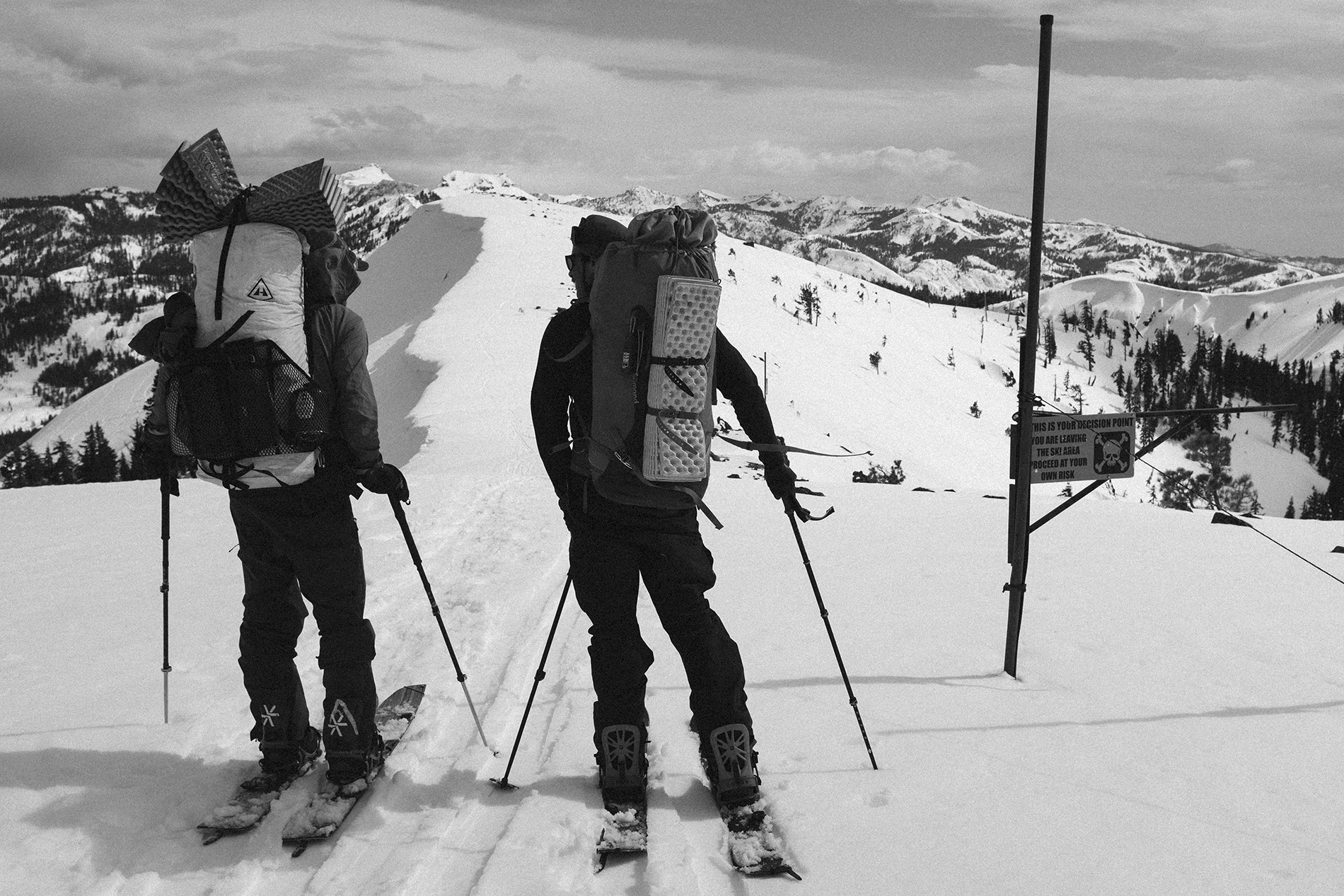
For me personally I was fortunate at a young age to meet this old-school Swiss guy who lived around here. When I was 13 we’d go off the resort and go out of bounds and it was just this huge contrast between the resort and the lifts and hamburgers and the bar and then you’d walk over to the side and drop in and it was dead quiet, the snow would be magical and the trees were ancient and huge. It really struck a chord with me and planted a seed. It was freedom. There were no lift lines and no markers, it was all up to you—you could go wherever you wanted, but you had to be smart.
With those situations you can go and get yourself killed really easily—so not only is it an incredible experience but with it comes all this other work you have to do that is really educational and enlightening.
You’ve got to think for yourself. It’s not all laid out for you. A lot of brands really try and be everything to everyone, but you’ve gone the other way and carved a definite niche.
So many brands are trying to cater to everyone—but by doing that you’re not really talking to anyone and you’re just missing the opportunity to really create something deep. So with United Shapes, we’ve really worked hard to stay pointed. It’s easy to start trying to make things for everyone and be like, “We need this category! We need this product. We’re missing sales here.” but I think that weakens a brand at the end of the day.
That happens with so many brands. They make something interesting and different, and then they just become like everything else. You’ve been doing United Shapes for 11 years now—is that trajectory something you’re conscious of? How do you keep it interesting and sharp after all those years?
I’m asking that question now. What next? How are we keeping this fresh? I’m not saying that we were the first to do it, but around the time we introduced the brand, the whole industry made a shift into a similar space with freeriding, shaped boards and directional riding. That’s kind of taken centre stage over the last 10 years—so it’s like, “Mission accomplished.” It’s great that the industry and culture has gotten here, and we don’t want to discredit that at all, but then looking forward with United Shapes, how do we keep it fresh?
For me, that means leaning into our storytelling—leaning into our philosophy and our messaging and to continue giving our brand purpose to exist. Brands in every industry aren’t always clear on their purpose, and that’s when you see such deviation from year to year and trend to trend—so that’s what I’m trying to stay true to. And hopefully if we’re clear on that, the rest will just follow.
A lot of times when everyone zigs, I like to zag—so in this time of product innovation and material exploration, I’m trying to go the opposite way and really trying to refine the classics.
What are you excited about in snowboarding at the moment? Where’s the next shift?
Honestly, my daughter just started riding a couple of years ago—that’s been so cool to see and to be a part of. Seeing younger people and kids start and to see the light bulb go off in their heads around this lifestyle is super cool and worthy of energy.
I’m also really interested in community right now—and in the same way with a brand where you have a philosophy and make sense of it, I feel like this community and industry lacks some kind of thread around what we’re doing. It’s such a personal activity—but we can rally around it a bit more together.

I’ve been thinking that a lot lately. With modern technology it’s easy for these activities to be solo quests now. Whether it’s Strava times or filming yourself, there’s less of a necessity for the crew—but that’s a key element that needs to be there. How do you build a real community?
I think you have to look at it on a hyper local level in this day and age. Everything is so global and virtual and these communities are huge, but they’re so fragmented because they’re digitally based.
So we have to have a hyper-local approach and give it the same motivation as we do to throwing up a viral clip. Whether that’s community events or coming together and having someone tell stories or do slideshows or film premieres or avalanche classes or backcountry training events. Or let’s just throw a party and a hangout at the local shop. That’s a huge aspect that just solidifies the communities that we’re in and gives people the feeling that they’re part of something.
Something that’s spinning in my mind at the moment is how do we really connect people together and actually snowboard and be outside—moving our bodies in the mountains in an organic, exciting way? You see that a lot with running and cycling brands, and aside from the marketing, brand side of that, I think there’s real value in people coming together and meeting others who share their interests.
At the same time, magazines aren’t the same as they were—they were the glue to the culture, and then digital platforms became that, and now those digital platforms are even phasing out. So we’re just left with Instagram.
It’s so weak. People could make a website or a magazine—and it maybe wouldn’t get ‘the views’ of an Instagram post, but it would have so much more weight behind it. It’d be a lot more meaningful for those who did see it.
Maybe through coming together in a stronger way as a community like that almost brings the power back into our hands. This is our culture, we get to decide what’s relevant and what’s worthy. We get to decide what brands exist in this space. That’s just kind of lost now because there’s a weaker level of filtering.
Gatekeepers get a bad rep, but for niche cultures it’s pretty important to have humans guiding things a little. If there’s no one telling people what is actually good and you’re just left with the algorithm, what do you get? A dog riding a snowboard?
Yeah—you don’t want it to go too far in one direction or the other but there’s a sweet spot out there where it’s needed to drive the culture in the right direction.
Rounding this off, we started this with you saying about how snowboarding is kind of the platform for everything you do. Why snowboarding? What does it do for you?
You know, it is cliché—but it’s liberty, it’s freedom. There are moments you have on a run when the stars align, and it changes your brain chemistry, and you, for lack of better words, enter the flow state where all the noise cuts, and you’re solely focused on the seconds unfolding in that moment, and you don’t feel pain, you don’t feel stress, you don’t feel disappointment, anything. You’re just in this enlightened Buddha-like state.
That sounds all rainbows and butterflies, but it’s true. You don’t get to that experience very often in life, and if you can find something that gets you there—that brings you fully into the present— I think that is worth committing to and trying to chase.
I think if you do get to experience that, then you are kind of figuring out life a little bit on a different level—whether that’s through music, or art, or whatever avenue—just that idea of coming into the present moment and removing all the noise is probably what the Buddha described as enlightenment.
Find out more about United Shapes here.
Interview by Sam Waller.